Questions your procurement team will ask.
The ones Compliance, Legal, and Security raise on the first call. We've written the answers down so the conversation can start where it matters.
Is LabelFort compliant with HIPAA, GDPR, SOC 2, ISO 27001, and India's DPDP Act?
Yes. LabelFort is certified against ISO 27001:2023, aligned to SOC 2 Trust Services Criteria, and engineered to satisfy HIPAA, GDPR, and India's Digital Personal Data Protection Act (DPDP).
DPDP readiness is not an add-on — it inherits from the already-audited ISO and SOC 2 baseline. A control-mapping document and our DPDP readiness report are available for Legal and Compliance review during the intake.
What modalities and annotation types does LabelFort support?
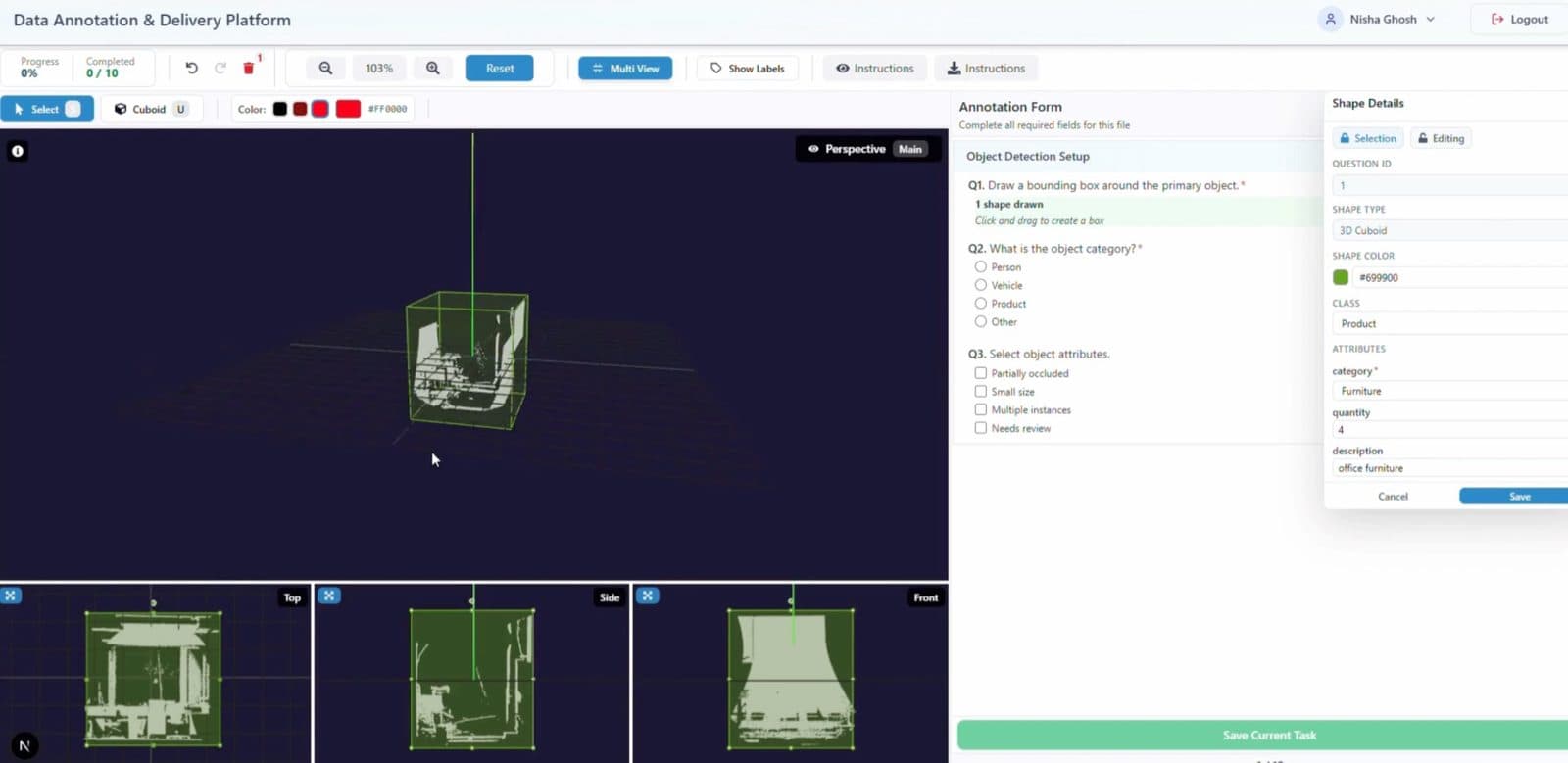
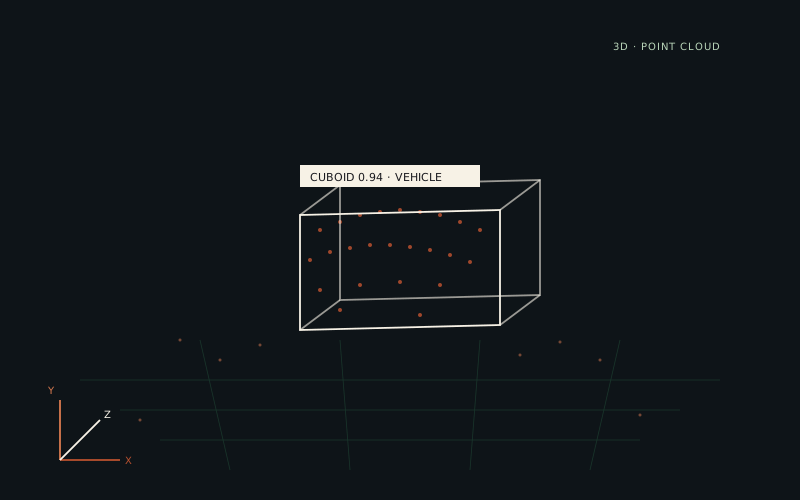
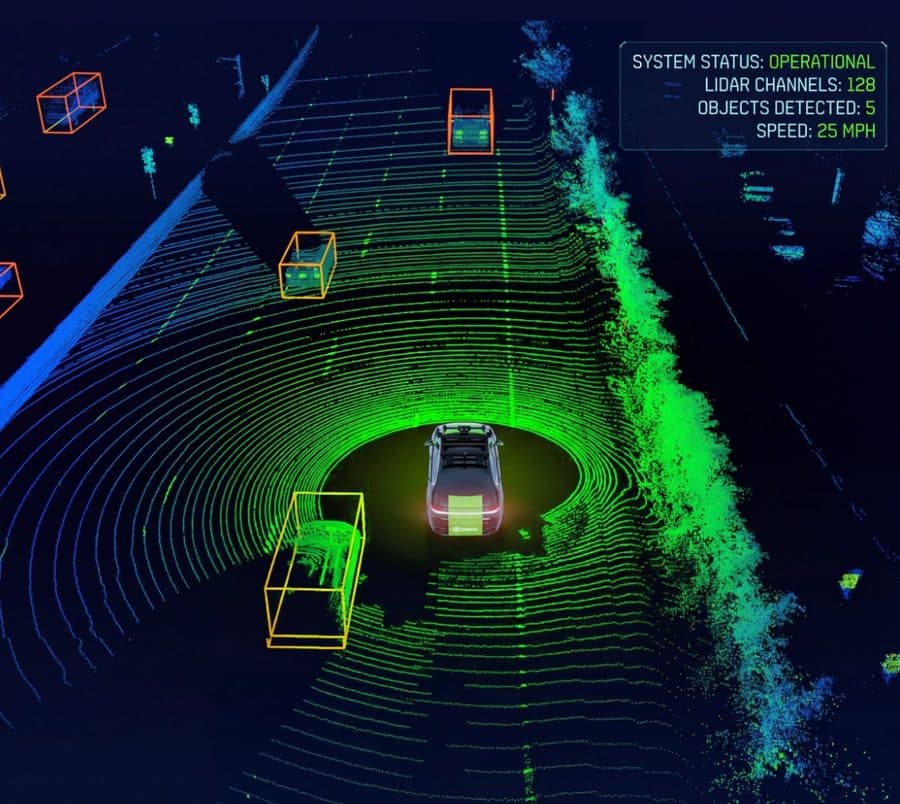
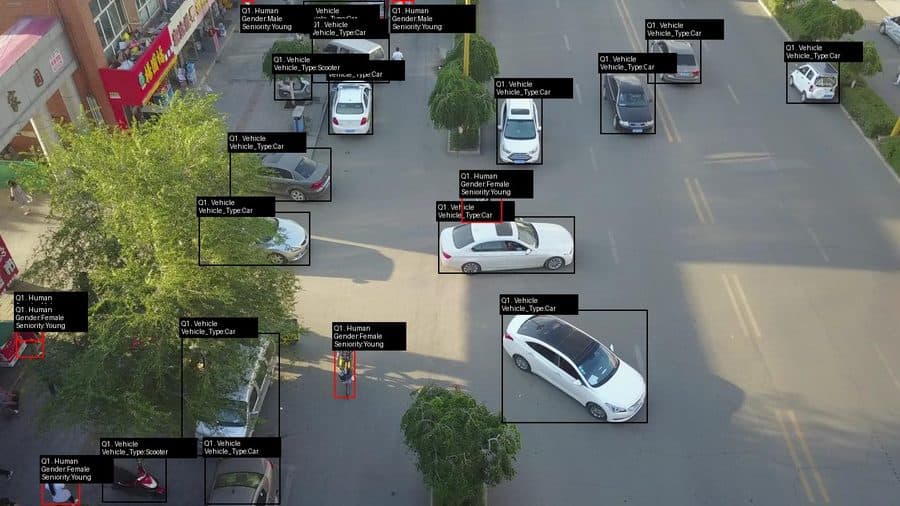
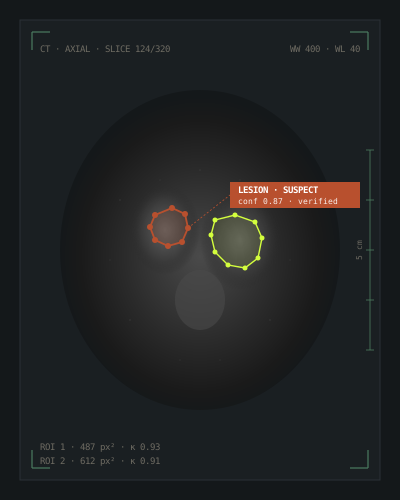
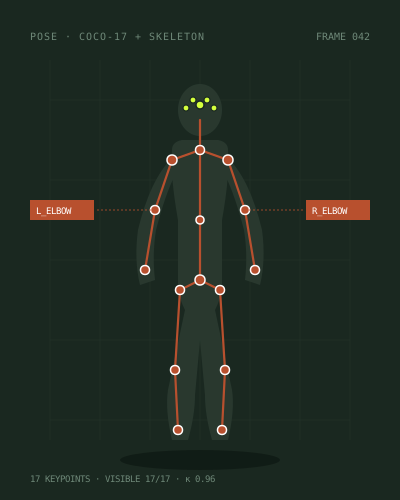
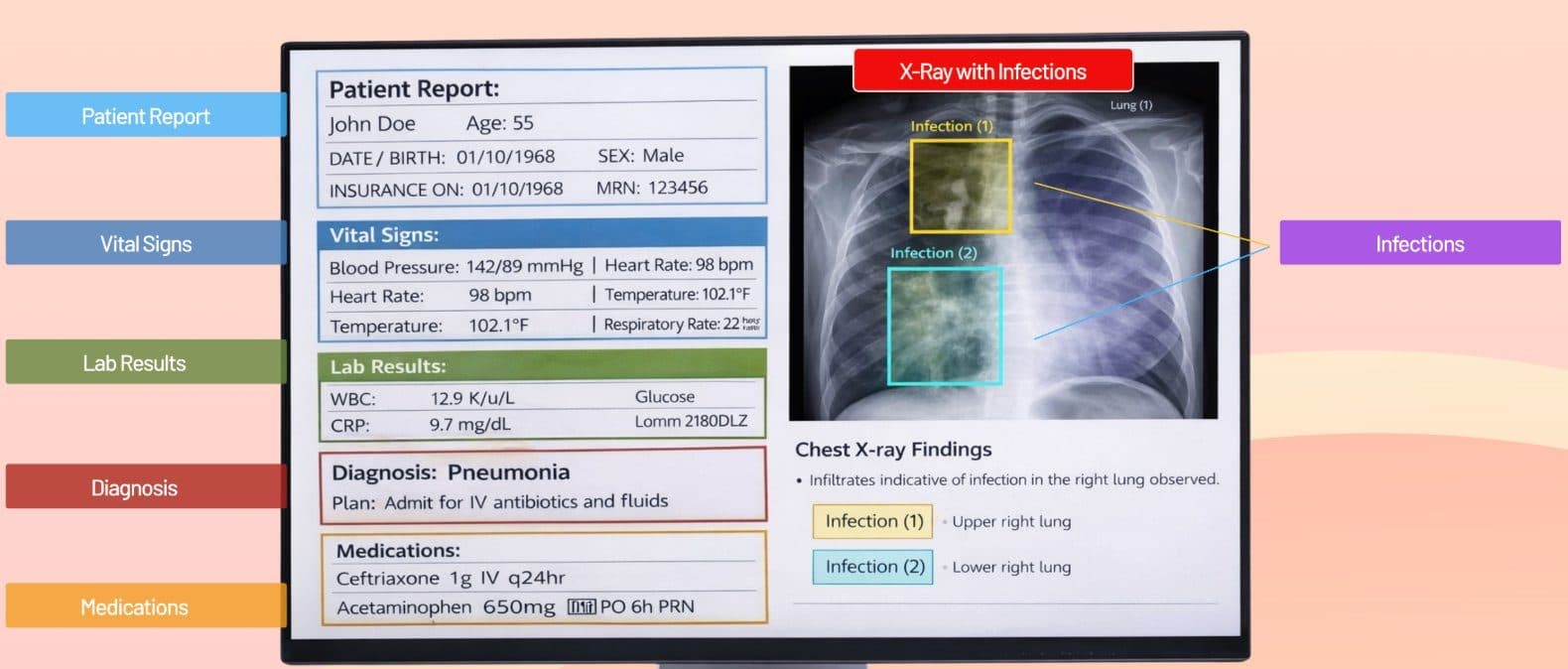
LabelFort is a multi-modal platform covering image (bounding boxes, polygons, semantic and instance segmentation, keypoints, skeleton-based pose), video (object tracking, action recognition, temporal tagging, AI-powered tracking workflows), LiDAR and 3D point cloud (cuboids, segmentation, cross-frame tracking), text (NER, classification, sentiment, intent/slot), and audio (transcription, speaker ID, sound events, sentiment).
Standard exports include COCO, YOLO, KITTI, MOT17, Pascal VOC, JSON, CSV, and JSONL.
How does LabelFort prove quality to our auditors?
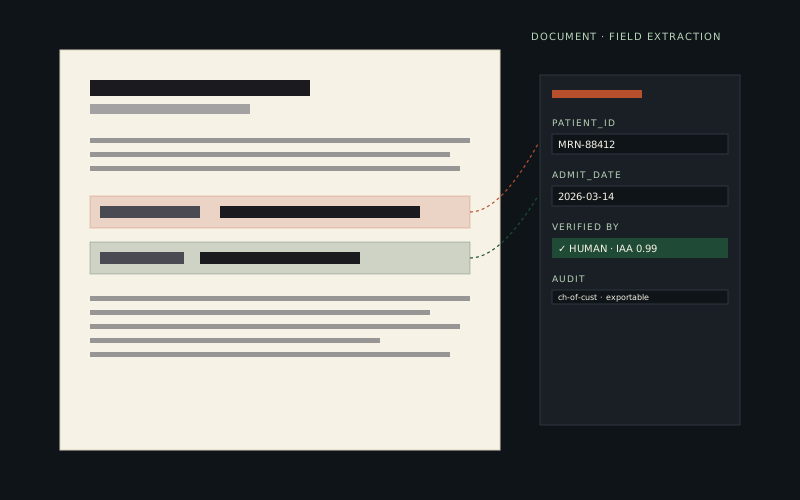
Quality is measured using Inter-Annotator Agreement, scored with Cohen's Kappa and Krippendorff's Alpha. The proof threshold is greater than 90%, validated on your dataset during PoC and tracked in delivery reporting.
Every annotation action, review, and configuration change is captured in an immutable audit trail and exports as a chain-of-custody record for any project. Audit-log coverage is 100% by design, and compliance breaches are a non-negotiable stop metric.
How is separation of duties enforced inside the platform?
LabelFort ships with dedicated role-based workspaces for Platform Admin, Organization Admin, Operations Manager, Quality Manager, Annotator, Reviewer, Auditor, and Client. Each role has its own routing, dashboards, and navigation.
Access checks are enforced on protected verifier and auditor pages, and platform admins manage users in the context of a selected organization — so multi-organization governance is clean and inspectable.
Does LabelFort integrate with our existing ML stack?
Yes. LabelFort is tool-agnostic and designed to slot into the pipeline you already have. Exports cover COCO, YOLO, KITTI, MOT17, Pascal VOC, JSON, CSV, and JSONL. Delivery is via S3, GCS, APIs, or webhooks.
File-dimension and tracking-attribute integrity are preserved end-to-end, so geometric and temporal annotations do not drift relative to the underlying media during export.
What is the typical engagement model?
The standard motion is Compliance Review → evidence-grade PoC → governed pilot → procurement-ready scale. Pilot-to-production typically runs 30–45 days once the PoC evidence pack is signed off by your internal reviewers.
We do not run open trials, we do not compete on price-per-label, and we do not enter engagements without a defined evidence output for Legal and Procurement review.
Can we use LabelFort for RLHF, model evaluation, and red-team data?
Yes. LabelFort supports structured RLHF preference collection, instruction tuning, evaluation rubrics, and red-team workflows for foundation-model teams — with the same IAA reporting, role-based QA, and audit coverage as every other project type.
Is LabelFort vendor-neutral? Who owns or controls Predusk?
Yes. Predusk Technology Pvt Ltd is an independent company with no hyperscaler or model-lab ownership stake. Your training data, audit logs, and evidence packs do not route through, or back to, any competing foundation-model lab. This has become a reasonable question to ask annotation vendors in 2026, and we're structured to answer it straight.
How do we get started?
Request a demo through the Book a Demo flow. We'll scope the risk surface, map controls to your regulatory posture, and propose a PoC with defined evidence outputs — before any data moves.